
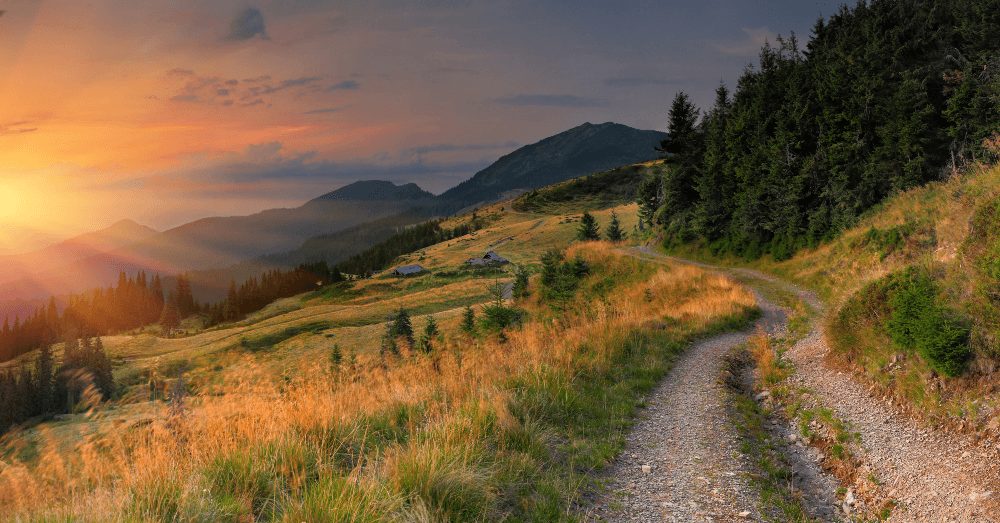
Forget poolside lounging and crowded city tours. A new wave of fitness-minded travelers is lacing up trail shoes and planning entire vacations around running through some of the planet’s most jaw-dropping landscapes. Welcome to the runcation, where the miles you log become the memories you bring home.
- Runcations blend point-to-point trail running with curated lodging, local food, and expert guides
- Top destinations span the Italian Dolomites, Tour du Mont Blanc, Patagonia, the Balkans, and California’s Sierra Nevada
- Guided and self-guided options exist for every level, from casual 10K runners to seasoned ultra athletes
What Exactly Is a Runcation?
A runcation is a trip where running is the main event rather than a side activity squeezed in before breakfast. Outfitters handle the logistics, the routes, the bag transfers, and often the meals, so you can focus on the trail in front of you. Each trip usually includes hand-picked running routes, detailed maps, and insider tips, letting runners choose their mileage, start time, and pace while the operator takes care of permits, accommodations, and baggage transfers.
The format has exploded in popularity over the past few years, with operators like Runcation Travel and Rogue Expeditions building international followings. Rogue Expeditions runs guided trips in some of the world’s most beautiful places, while Runcation Travel has been organizing self-guided trips since 2019, helping fuel the trend.
Where Runcationers Are Heading
The destination list reads like a trail runner’s bucket list. Current options include running holidays in the Italian Dolomites, Chamonix Mont Blanc, Argentinian Patagonia, Slovenia, Peru, California’s Sierra Nevada, the French and Spanish Pyrenees, and the Balkans.
The Tour du Mont Blanc remains the crown jewel of European trail running. The route wraps 170 km around the Mont Blanc massif, climbing and descending a total of 33,000 feet through three countries. Travelers spend nights in 3 or 4-star hotels in town and scenic mountain huts in between, sampling Italian, Swiss, and French cuisine along the way.
For something more rugged, the Italian Dolomites offer hut-to-hut running along the Alta Via 1, while Patagonia’s El Chalten serves up glacier-side miles in Los Glaciares National Park. Point-to-point options include hut to hut in the Dolomites, hut to hotel along the Tour du Mont Blanc, guesthouse to guesthouse in the Balkans, and hotel to hotel running in the Pyrenees.
Guided vs. Self-Guided: Which One Fits You?
Guided trips suit runners who want company, local expertise, and zero decisions to make in the field. Guides usually hold credentials like International Mountain Leader, Middle Mountain Guide, and Wilderness First Aid certifications. They know the route inside out and have backup plans ready for surprise weather or injuries.
Self-guided trips offer more independence at a friendlier price point. These work best for self-sufficient runners who are comfortable using GPX tracks and handling shifting mountain weather, but still want permits, routes, baggage transfers, and accommodations booked for them.
Solo travelers shouldn’t feel shut out either. Some operators charge no single supplement fee for solo travelers on guided tours, and roughly half of guided trip participants are flying solo.
Tips for First-Time Runcationers
Start with the right trip level. Mountain running is physically demanding, and most operators rate their trips on difficulty scales. A typical mid-level trail running trip might ask you to cover 7 to 16 miles per day with 500 to 4,500 feet of elevation gain and loss on technical trails that can be rocky, rooted, or steep with loose rock.
A few practical pointers before you book:
- Train specifically for elevation. Flat road miles won’t prepare your quads for sustained descents. Some companies even offer an optional 12-week training package from an experienced running coach to make sure you’re ready.
- Pack light. On most hut-to-hut routes, baggage transfer means you only run with a hydration vest while your duffel meets you at the next stop.
- Confirm the running requirement. Many operators won’t accept hikers on running trips, so be honest about your fitness.
- Book early. Dates for popular self-guided runcations are limited and sell out quickly.
Lace Up and Go
The runcation trend taps into something simple. Runners want their vacations to feel like an extension of the lifestyle they already love, not a break from it. With outfitters covering everything from GPX files to alpine refugios, the only real question left is which range of mountains you want to circle next. Whether you’re chasing your first multi-day trail experience or your tenth, there’s a runcation out there with your name on it.
