
Some luxury travelers want breakfast in bed and nothing harder than tying a spa robe. Others will pay top dollar to wade into cold water, pry mussels off rocks, or butcher an elk they tracked themselves. That second group keeps growing, and high-end hotels around the world are hurrying to keep up.
- Luxury lodges and resorts now run hands-on fishing, foraging, and hunting programs that end with guests eating what they gathered.
- Experts say travel frees people to try skills they’d never attempt at home, and it can build a stronger bond with a place.
- Options range from squid fishing on the Amalfi Coast to clamming on Long Island and conservation-focused hunts in New Mexico.
Farm to Table Heads Off the Map
Food-loving travelers have chased the farm-to-table dream for years, from organic markets to chef gardens to long dinners in open fields. The next step is to skip the middleman and gather the ingredients yourself.
At Casa Angelina, on the cliffs of Praiano along Italy’s Amalfi Coast, guests head out in a wooden boat with a local fisherman whose family has fished for squid in the Tyrrhenian Sea for generations. Guests catch the squid, clean it, and cook it into totani e patate. Executive chef Leopoldo Elefante says travelers want to know where their ingredients came from, not just taste a local dish.
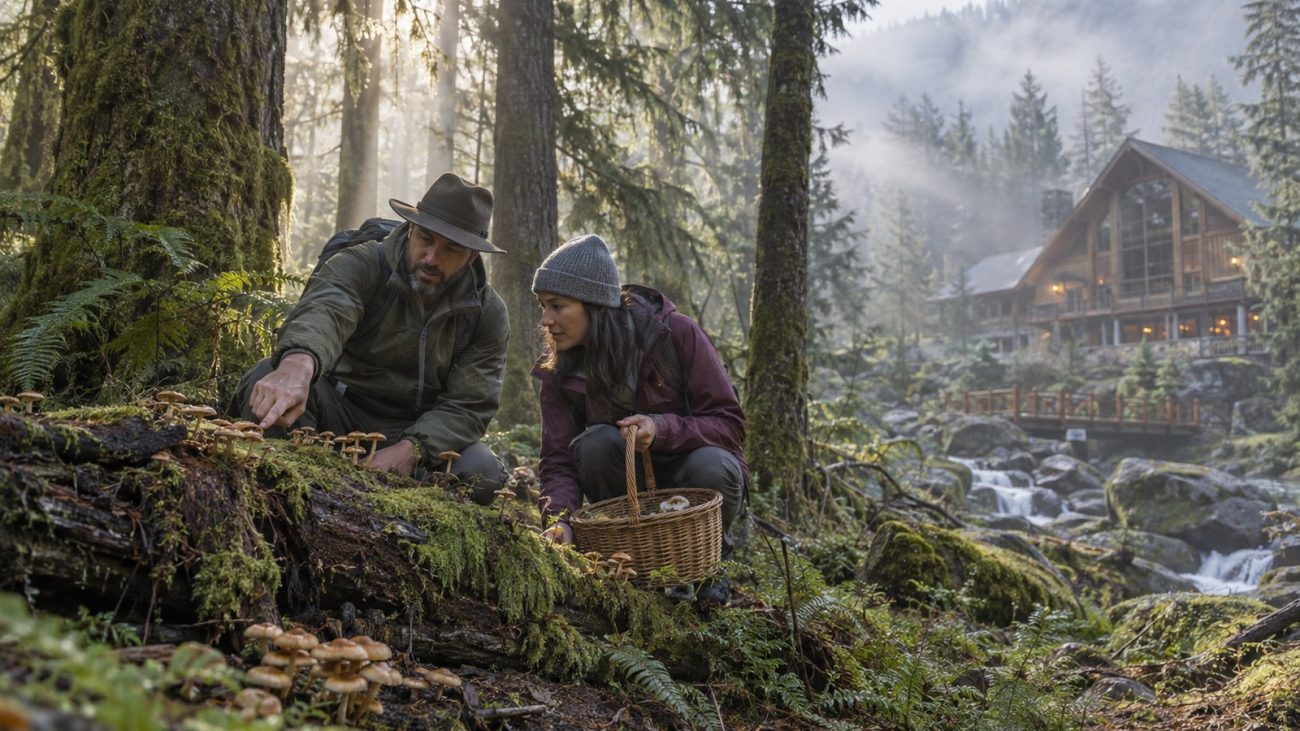
Travelers also dig for chanterelles in western Scotland and gather mussels along South Africa’s Cape Peninsula. In Asheville, North Carolina, Blue Ridge Mountains foraging hikes teach visitors to safely harvest wild edibles like porcini. In California, Sea Ranch Lodge runs an “Uni Two Ways” workshop that pairs sea urchin with a natural dye class and a tasting menu.
Why Vacation Makes People Braver
So why pay to do chores you’d skip at home? Clare Sammells, an associate professor of anthropology at Bucknell University who studies food and tourism, points to the freedom of being away. With no alarm clock, no suit, and no office, something wild, like butchering a hog, starts to seem possible.
Since 2011, Nick Weston’s company Hunt Gather Cook has brought beginners to Shepherd’s Barn on the Firle Estate in Sussex, England, for butchery courses and live-fire feasts that sell out. By his account, the only step that really makes people squirm is taking a rabbit’s head off with a machete.
There’s a bigger payoff, too. Biology professor Sam Shepherd says this hands-on connection gives people a real sense of place that can grow into a lasting urge to protect the environment, unlike quick, curated tours where local food and culture become a sideshow.
Where Comfort Meets Camouflage
Nobody has to give up a good bed to do any of this. Vermejo, Ted Turner Reserves’ 558,000-acre wildlife reserve in New Mexico, was once a classic hardcore hunting lodge. It now pairs bison safaris, snowtubing, and spa treatments with trips for cow elk and cutthroat trout. A chef teaches you to fillet, cook, and pair your catch, and a conservationist explains how hunting fits into conservation.
Henry’s Fork Lodge in Island Park, Idaho, blends luxury hotel training with top-tier trout fishing on the Henry’s Fork of the Snake River. On the South Texas Coast, guests reel in speckled trout, redfish, flounder, and black drum, which lodge chefs turn into ceviche or grilled fillets. Just buy your own Texas fishing license first.
For Indigenous communities across North America, sustainable hunting, fishing, and foraging have always been part of daily life. Wahous Wilderness Lodge, the Ahousaht First Nation’s flagship hospitality venture in British Columbia’s remote Clayoquot Sound, offers fishing trips and a “tide-to-table” approach to food.
Pack Your Waders Next to the Swimsuit
On the North Fork of Long Island, Lin Beach House is a six-room Victorian run by commercial fisherman Brian Kwasnieski and his wife, Leslie Merinoff Kwasnieski, the couple behind Matchbook Distillery. Guests help pull fish, cut herbs, blend gin, clam, and pickle. Leslie says people love scooping the fish.
Brian uses pound trap fishing, a method that avoids bycatch, and usually heads out at 4 a.m. for pufferfish, porgy, and mackerel. Guests can sleep in until 10. It’s still a vacation, after all.
Ask the Right Questions Before You Book
Want to catch your own dinner on your next trip? Ask what’s included, whether a chef will cook your catch, and if you’ll need a license. Then pack something you don’t mind getting dirty.
