
Everyone talks about the big-ticket destinations. Nashville, New Orleans, Portland. But if you’ve ever taken a long road trip and actually paid attention to what happened between the major stops, you already know the truth. The small towns are where the good stuff lives.
- Small towns offer genuine local culture that’s hard to find in tourist-heavy cities, from family-run diners to roadside attractions that don’t show up on any top-ten list.
- Locals in smaller towns tend to be more talkative and generous with directions, restaurant tips, and stories about the area than you’d expect from a stranger passing through.
- Slowing down in a small town, even for just an hour, gives road trips a rhythm and texture that interstate rest stops and chain restaurants never can.
The Food Alone Is Worth the Detour
You can eat a mediocre sandwich in any airport. You cannot eat grandma-style biscuits and gravy at a 12-table diner on Main Street in any airport. Small-town diners, bakeries, and barbecue joints often have menus that haven’t changed in 30 years, which is exactly the point. The recipes are locked in. The regulars keep it honest.
Pull off on any rural two-lane and look for the place with hand-painted signs or a parking lot full of pickup trucks at 10 a.m. on a Tuesday. That’s your target. Nine times out of ten, you’ll eat better there than anywhere with a Yelp rating above 4.6.
Car Culture Shows Up in the Most Unexpected Places
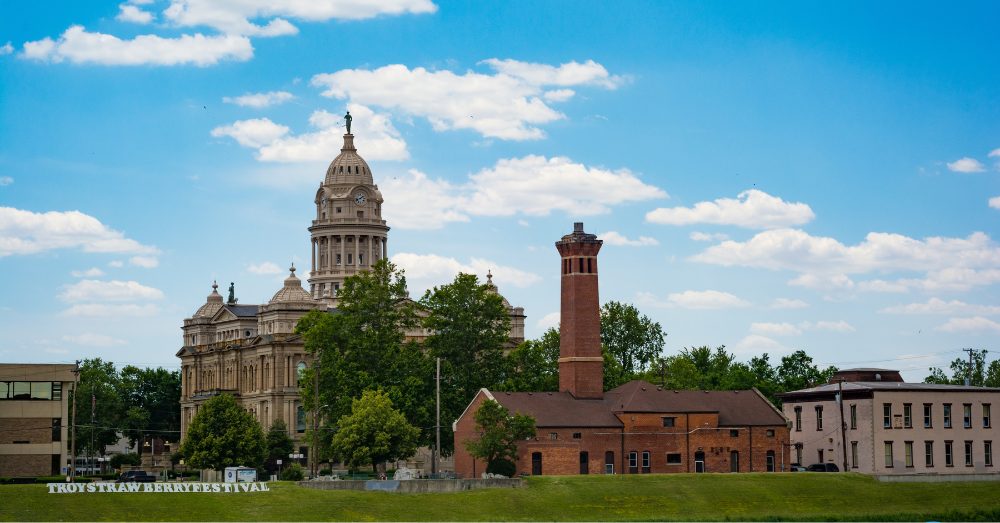
One thing road trippers rarely anticipate is how much local car culture reveals about a town’s character. Drive through the right small midwestern town, and you’ll notice a well-kept Chevy dealership anchoring the main strip like it’s been there forever, because it probably has. Places like Troy, Ohio, give off that distinct small-town automotive energy where trucks get washed on weekends and everyone knows the service manager by name. That kind of pride in local institutions says something about a place that no travel guide bothers to mention.
Classic car clubs, weekend cruise-ins, and dealerships that have served the same families for generations all tell you something real about a place. Out here, cars carry a different kind of weight. They’re bragging rights, local history, and a handshake all rolled into one.
The Stops Nobody Plans Are the Ones People Remember
Ask anyone about their best road trip moment and it rarely starts with “so we had this whole itinerary.” It’s usually something like “we saw this sign for a peach orchard” or “we stopped because one of us had to use the restroom and ended up staying two hours.” Unplanned stops are the soul of a road trip, and small towns generate them constantly.
Old courthouses, grain elevators turned into coffee shops, murals on the sides of farm supply stores, a county fair you didn’t know was happening. None of that is on Google Maps as a suggested waypoint. You find it by slowing down and looking out the window.
Locals Actually Want to Talk to You
In a city of two million people, one more tourist asking for directions is an inconvenience. In a town of 4,000, you’re the most interesting thing that’s happened since the county fair. People will tell you where to eat, warn you about the road construction on the east end of town, and ask where you’re headed with what sounds like genuine curiosity.
Those 10-minute conversations at a gas station or hardware store parking lot often end up as the stories you tell when you get home. Not “we saw the arch” or “we ate at a place with a famous chef,” but “we met this guy in Ohio who used to race cars and now runs a bait shop and he told us about this lake that wasn’t on any map.”
Take the Back Roads. Seriously.
GPS will always try to route you to the highway. Fight it. The two-lane state roads through farm country, foothills, or river valleys are what road trips used to be before interstates made everything a blur of identical exits. You see the actual land. You go through actual towns. You notice the church with the funny marquee sign, the water tower painted like a corn cob, the diner with a “World’s Best Pie” claim that demands verification.
Road trips through small towns take longer on paper. In practice, they’re the ones that stick. The ones you still talk about five years later when someone asks about a good drive. Big cities will still be there. The small towns are the reason to go.
